When Misconduct Isn’t Misconduct: Two Employment Tribunal Lessons for SMEs
Employment tribunals are rarely straightforward, and two recent cases show just how complex “misconduct” can be in practice. For SMEs, the rulings are a timely reminder: what you see as sackable behaviour may not be judged the same way in law.
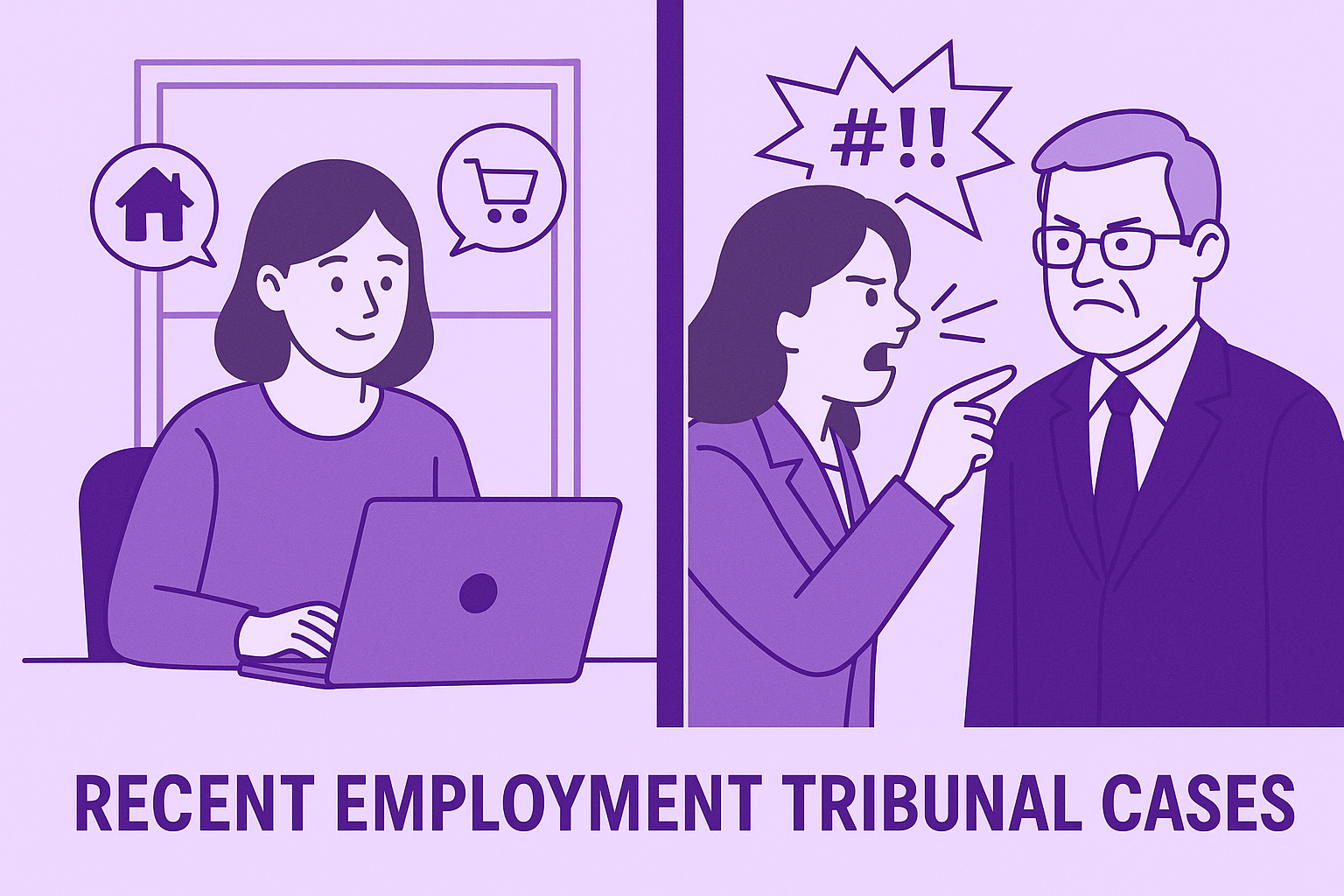
Case 1: Shopping online at work
An accountancy administrator was dismissed after spyware revealed she had spent one hour and 24 minutes over two days browsing sites such as Rightmove and Amazon.
The tribunal ruled her dismissal was unfair, awarding her more than £14,000. Why?
- There was no written policy restricting personal internet use.
- Her manager also used the work computer for personal reasons.
- She had no disciplinary record or history of misconduct.
- Crucially, much of her online activity related to professional development.
The judge also noted that the dismissal coincided with the employer wanting to end her contract before she reached two years’ service, when full unfair dismissal rights would have applied.
Case 2: Calling the boss a “dickhead”
In another case, an office manager was sacked on the spot for insulting her manager and a director during a heated meeting. She later won almost £30,000 in compensation and costs.
The tribunal found:
- The comment was a one-off, not part of a pattern of abusive behaviour.
- The company’s own disciplinary rules required a warning before dismissal for insulting language.
- Gross misconduct – which might justify immediate dismissal – was not proven.
- The employer failed to follow a fair procedure.
Key takeaways for employers
While every case is fact-specific, these rulings underline important HR principles for SMEs:
- Policies matter: Clear, accessible policies on conduct and internet use set expectations and protect your business.
- Consistency is critical: Apply rules evenly to managers and staff alike.
- Follow process: Skipping warnings, hearings and investigations almost always leads to trouble at tribunal.
- Context counts: A single slip in behaviour may not be enough to justify dismissal, particularly if the employee has a clean record.
Neither case means employees can freely shop online or insult their managers. But they do show that tribunals expect employers to act reasonably, consistently, legally and fairly. Without strong policies and proper process, dismissals are vulnerable to being overturned.
If you’re unsure whether conduct issues justify dismissal in your business, it’s always best to seek professional HR advice before acting.